

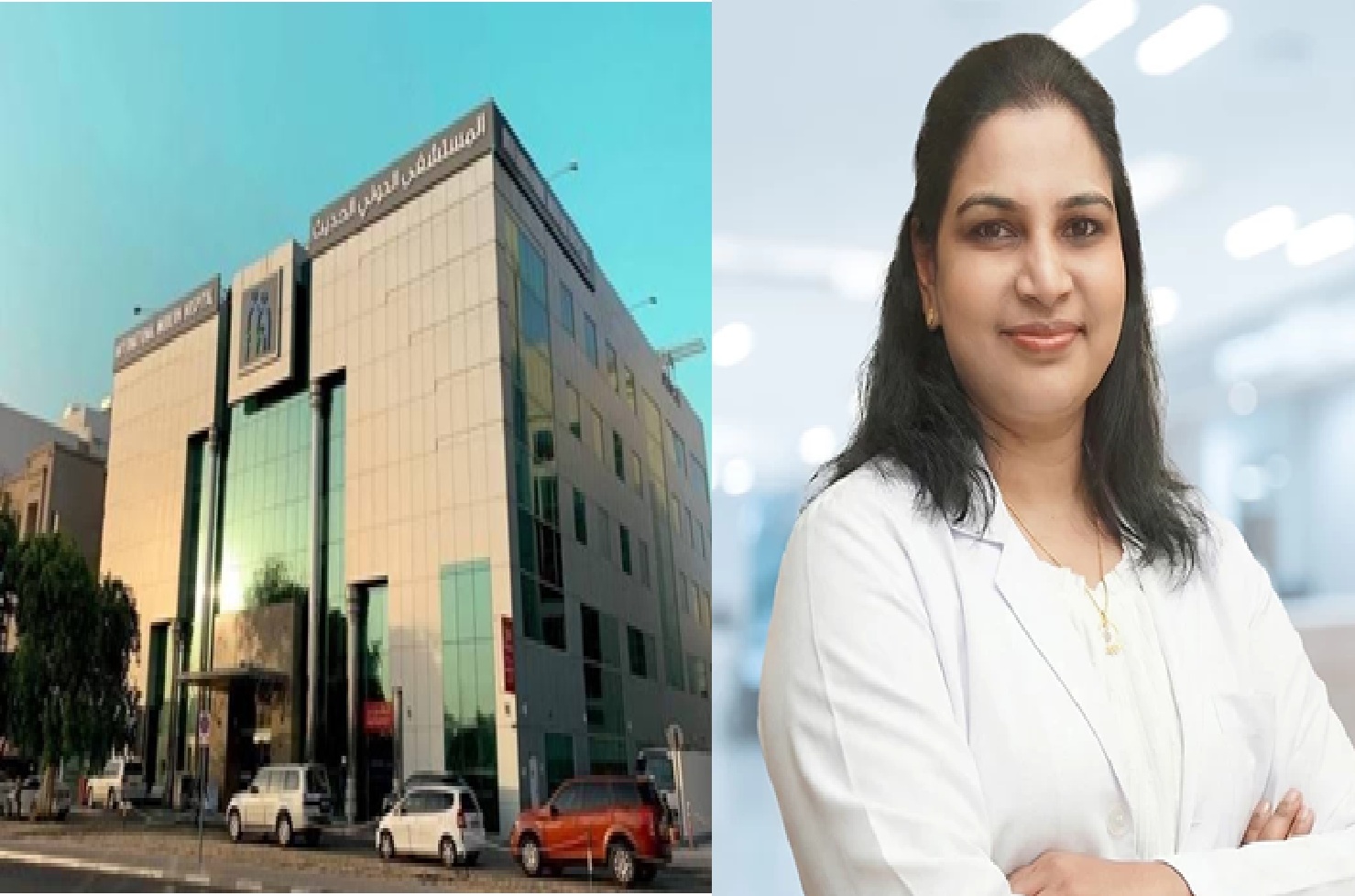
Sharjah doctors diagnose rare life-threatening disease after symptoms mimic severe infection at NMC Royal Hospital Sharjah
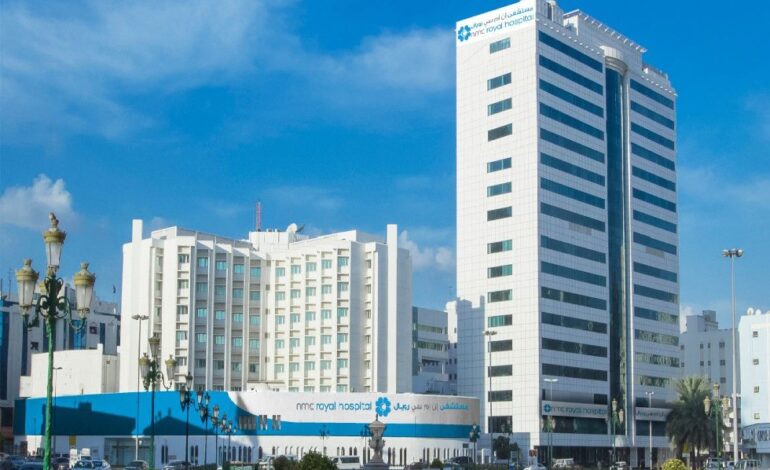


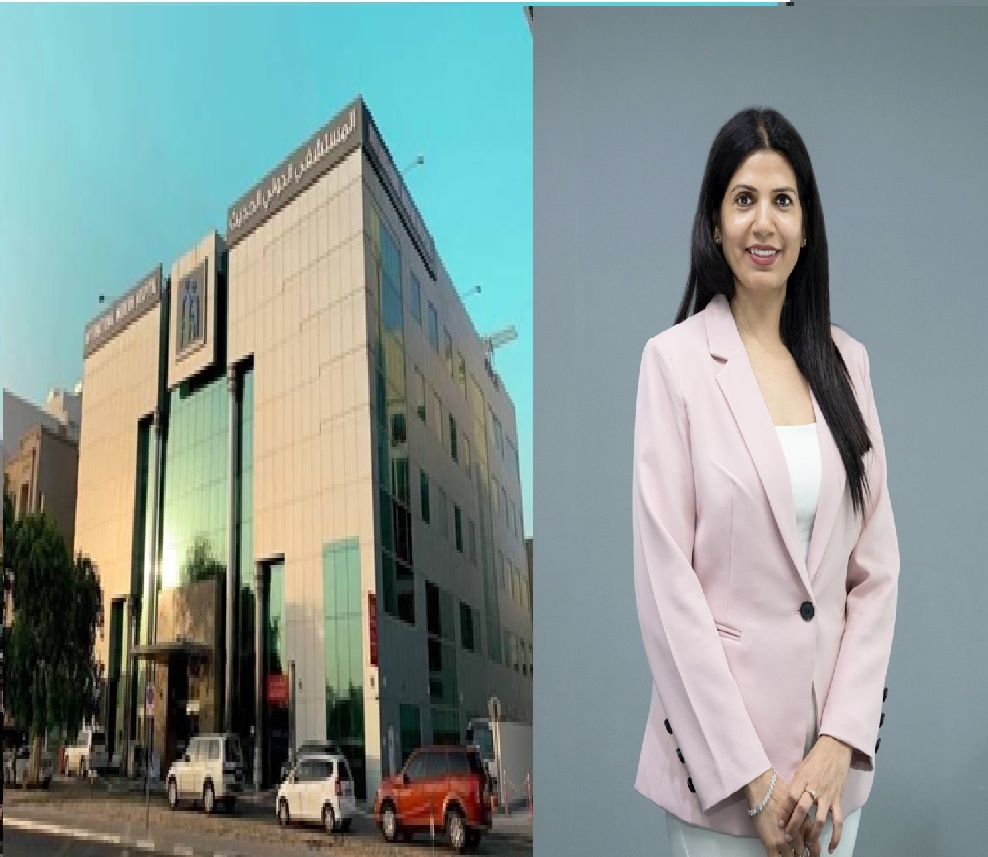
Sharjah: Doctors at NMC Royal Hospital Sharjah successfully diagnosed and treated a rare, potentially life-threatening condition in a 33-year-old woman after her symptoms initially appeared to be caused by a severe infection.
The patient was admitted with high fever, severe body aches and blood test results that strongly suggested a serious infection. Initial scans also showed involvement of multiple organs, including the lungs and kidneys, making the case appear at first to be a straightforward infectious illness.
However, as doctors continued their assessment, they found that the clinical picture did not fully match the expected diagnosis. Despite extensive testing, no clear source of infection could be identified, prompting the medical team to investigate further for an alternative cause.
A routine chest X-ray provided the first major clue when it revealed an unusual abnormality in the aorta, the main blood vessel carrying blood from the heart to the rest of the body. The finding was unexpected in a young woman and led doctors to carry out urgent specialist investigations.
Further examination uncovered a noticeable difference in blood pressure between the patient’s arms, along with abnormal blood flow sounds in the neck. These signs indicated a possible blood vessel disorder rather than infection.
Advanced imaging later confirmed widespread inflammation and narrowing of major arteries supplying blood to the brain and upper body. Within days, doctors reached the final diagnosis of Takayasu arteritis, a rare inflammatory disease affecting large blood vessels and one that can be difficult to detect in its early stages.
Takayasu arteritis is more commonly seen in young women and often begins with general symptoms such as fever, fatigue and body pain. Because these symptoms closely resemble common infections, diagnosis is frequently delayed. If left untreated, the condition can lead to stroke, organ damage and long-term disability due to reduced blood flow.
Once the diagnosis was confirmed, the patient was started on targeted treatment to control inflammation. Doctors said the timely intervention helped reduce the risk of serious complications and improved her overall outcome.
Dr Muhammed Azhar Abdullah, Consultant Rheumatology and Specialist Internal Medicine at NMC Royal Hospital Sharjah, said:
“Cases like this show that medicine is not only about advanced technology, but also about careful observation and clinical judgment. When symptoms do not fully fit the expected diagnosis,it is important to pause and reassess. Early recognition of Takayasu arteritis can make a significant difference to outcomes, and in this case, teamwork and attention to subtle signs helped us reach the correct diagnosis in time.”
The case highlights the importance of combining modern diagnostics with strong clinical assessment, and reflects the growing capabilities of NMC Royal Hospital Sharjah in managing complex and rare medical conditions through multidisciplinary care.


