





Paris Hilton Optimizes Home for ADHD

Ever since being diagnosed with ADHD in her twenties, Paris Hilton has chosen to see her neurodiversity as her “superpower.”
“I wouldn’t be the person that I am today without it,” Hilton, 44, tells PEOPLE. The DJ, model, Parívie founder, TV star, author, fashion designer, and founder of the next-gen media company, 11:11, is a champion for neurodiversity and inclusion. It’s why she opened her front doors — literally — for a three-part video series on how she optimized her home and office for herself and team members with ADHD.
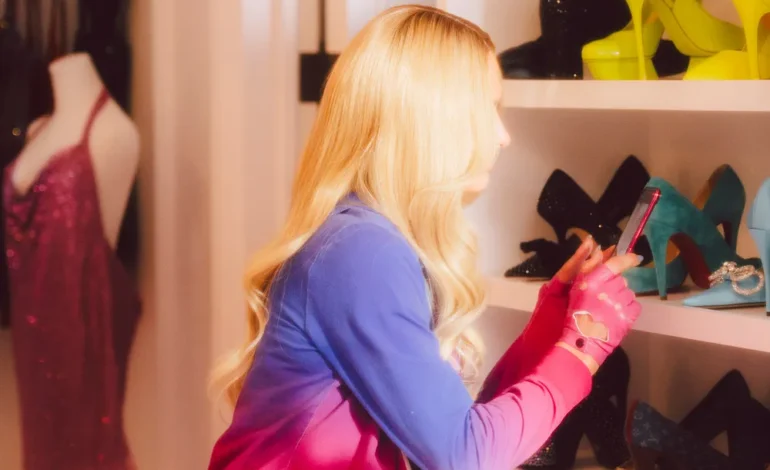
In Inclusive by Design, Hilton teams up with experts Sarah Greenberg and Dr. Andrew Kahn from Understood.org, a leading nonprofit that supports people with learning differences, as well as Android and the nonprofit arm of her company, 11:11 Media Impact. The series explains how she made her closet, craft room, and home office workable for herself and members of her 11:11 team, many of whom have neurodiversity.
Hilton shares with PEOPLE why she’s chosen to be so open about her ADHD journey — and what drives her to be an advocate.
What made you decide to share such an intimate part of your life for this series?
“I just really wanted to share strategies and different things that I’ve learned from managing my ADHD, both in my personal and professional life, and I really hope by sharing my experiences it can help reduce the stigma of ADHD and make neurodiversity relatable,” Hilton tells PEOPLE.
“I’ve just seen how so many people who think differently feel so alone, so I really wanted to create space and just show how I’m embracing and harnessing my ADHD, and they can, too.”
What can parents of a neurodivergent child do at home to help?
“You come out in the world, there’s just so many distractions and things happening, and it’s a lot on someone,” Hilton says, sharing that a person with neurodivergence will appreciate “a space that makes them feel happy and just able to decompress and feel their best.”
She tells PEOPLE that her own motherhood journey — she shares son Phoenix Barron, 2, and daughter London Marilyn, 23 months, with husband Carter Reum, 44 — has influenced her advocacy.
“Motherhood has given me a whole new purpose and I want my kids to grow up feeling celebrated for who they are. I feel like the only way to do that is to fully embrace myself first so that I can be the best, most authentic mom for them.”
Was there anything that surprised you as being helpful to ADHD as you worked on these spaces?
“With ADHD there’s something called object permanence, where, like, if you don’t see something, it basically doesn’t exist in your mind. So visual organization is so important.”
So she organized her craft room with clear drawers so she can see what’s inside. And in her closet, the cabinets and drawers that aren’t glass-paneled have labels explaining what’s inside.
As Hilton explains, she needs to “have it labeled so I can see everything and then my brain will start to remember where each thing is.”
When you redesigned your office, you found a chair that helps people with ADHD. How does a small touch like that make a difference?
“It’s comfortable, it can move around in any position, so you could just be like sitting on it, you could be leaning on it … sometimes with ADHD it’s hard to like just sit still,” she explains. “You just like feel more relaxed, you can focus easier.”
What is the biggest misconception about ADHD?
“People need to understand the positive parts about it,” she says, adding that many artists, actors, singers, creators, and scientists have been diagnosed with ADHD. “There’s so many brilliant people in the community that I think should be celebrated more, and people need to know because that’s such an inspiration to other kids. I want to continue getting that message out as well, so people can feel celebrated and not feel bad about something that they shouldn’t feel bad about.”
You’ve talked about masking your ADHD when you were younger. Can you explain why masking can be so hard?
“For me growing up, like no one was talking about ADHD,” Hilton says, explaining that when she was in school, “it was so difficult for me to remember things. I would constantly lose my homework get in trouble with the teachers.”
“I just felt like something was wrong with me and I’d just be sad, but then I would just mask or, like, kind of try to act like nothing’s wrong on the inside … I was just going through so many emotions, and after speaking to so many others with ADHD, I can totally understand it now. It’s exhausting having to do that and to feel that way.”
Now, she says, “I’m learning so much and I just wish that I knew all I know now, back when I was a kid growing up in school, but I’m doing this for the little girl in me … now I see it as a superpower, and I wouldn’t be the person that I am today without it. I’m such a creator. I’m constantly thinking of new ideas.”
As Hilton says, “I just want people to understand that you’re not broken. It’s just your brain is wired for something different and something very special, so I just want people to know that. It’s not a weakness. It can actually be a superpower if you can harness it in the right way.”
People


