

Pakistan’s quiet diplomacy fuels US–Iran ceasefire breakthrough
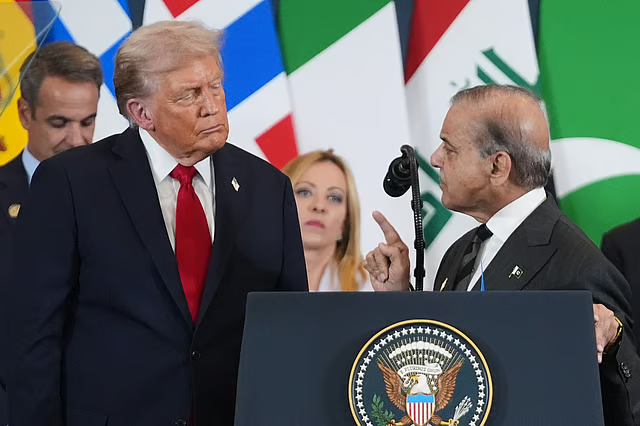

After weeks of intense behind-the-scenes diplomacy, Pakistan has emerged as a central player in brokering a fragile ceasefire between the United States and Iran, a breakthrough that diplomats say would not have been possible without Islamabad’s sustained efforts since the conflict began.
The two-week truce, announced on April 8, halts major hostilities in a war that has entered its sixth week and left a devastating humanitarian and economic toll across the region. According to official estimates and rights groups, more than 5,000 people have been killed in nearly a dozen countries, including over 1,600 civilians in Iran and more than 1,000 in Lebanon. Thousands more have been injured, while critical infrastructure including energy facilities, ports and transport networks, has suffered extensive damage.
I had a warm and substantive conversation with President Masoud Pezeshkian of Iran, this afternoon.
I conveyed my deep appreciation for the wisdom and sagacity of the Iranian leadership in accepting Pakistan’s offer to host peace talks in Islamabad later this week to work…
— Shehbaz Sharif (@CMShehbaz) April 8, 2026
Announcing the breakthrough on X, Pakistan Prime Minister Shehbaz Sharif said the United States and Iran, along with their allies, had agreed to an immediate ceasefire. “They have agreed to a ceasefire everywhere,” he said, adding that Pakistan would host the next phase of talks. “We welcome the delegations to Islamabad to negotiate a conclusive agreement to settle all disputes on April 10,” he said.
Big day
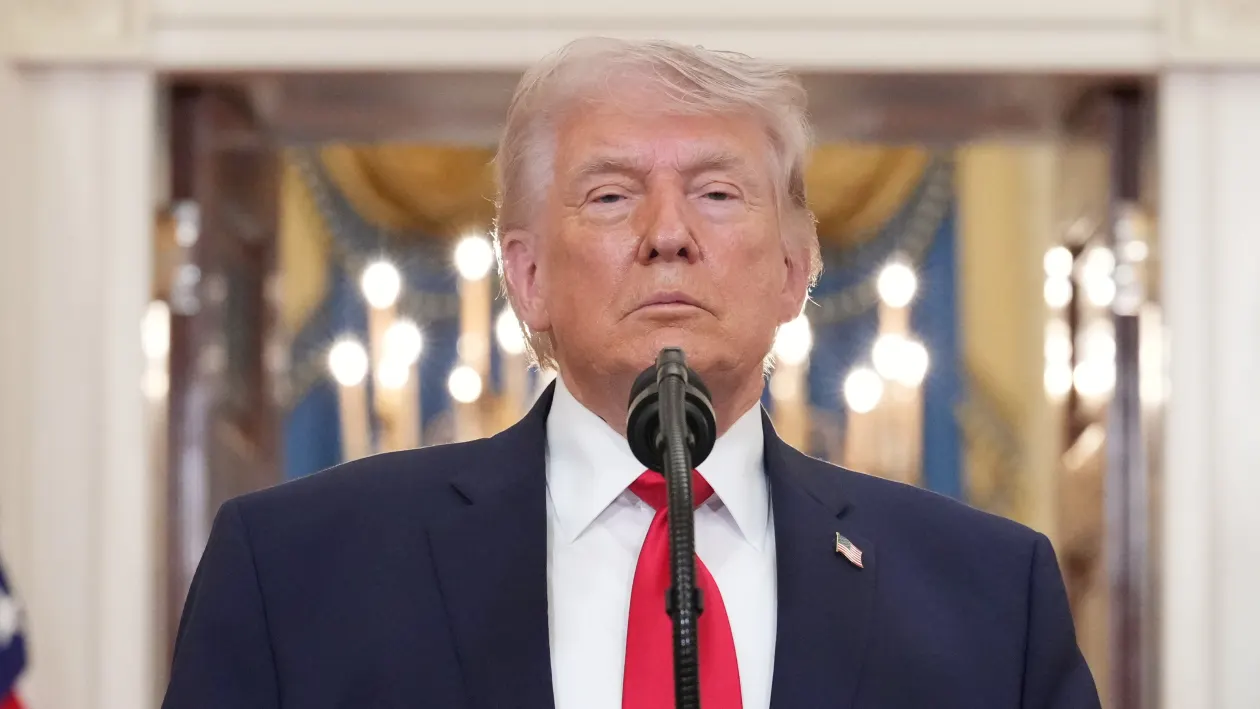
US President Donald Trump also confirmed the pause in hostilities, describing it as a step towards wider stability. “A big day for world peace,” he said, adding that both sides were ready to halt escalation. In a separate statement, he noted that the decision followed discussions with Pakistani leadership and was linked to reopening key maritime routes. “I agree to suspend the bombing … for a period of two weeks,” he said, calling it a “double-sided ceasefire.”
Pakistan’s military leadership also played a part. Chief of Army Staff Field Marshal Syed Asim Munir held conversations with senior US officials, including President Donald Trump, diplomatic sources said, reinforcing civilian diplomatic efforts at a critical juncture.
Visible phase
The most visible phase of this effort came in late March, when Islamabad hosted a high-level meeting of foreign ministers from Saudi Arabia, Turkey and Egypt. Led by Pakistan’s Deputy Prime Minister and Foreign Minister Ishaq Dar, the talks focused on de-escalation and laid the groundwork for a broader diplomatic push. Although immediate progress appeared limited, Pakistan quietly intensified its outreach in the days that followed.
Pakistan Prime Minister Shehbaz Sharif and senior officials held conversations with more than a dozen world leaders across Washington, Beijing, Moscow, Europe and the Gulf, seeking consensus on a limited ceasefire as a first step. At the same time, Pakistan’s military leadership engaged US counterparts, reinforcing the civilian diplomatic initiative at a critical moment.
Ceasefire proposal
Parallel contacts with Iranian officials ensured that communication channels remained open, even as tensions escalated. By early April, Islamabad had formalised a ceasefire proposal, calling for an immediate halt to hostilities followed by a defined window for negotiations, along with confidence-building measures around key flashpoints such as maritime routes.
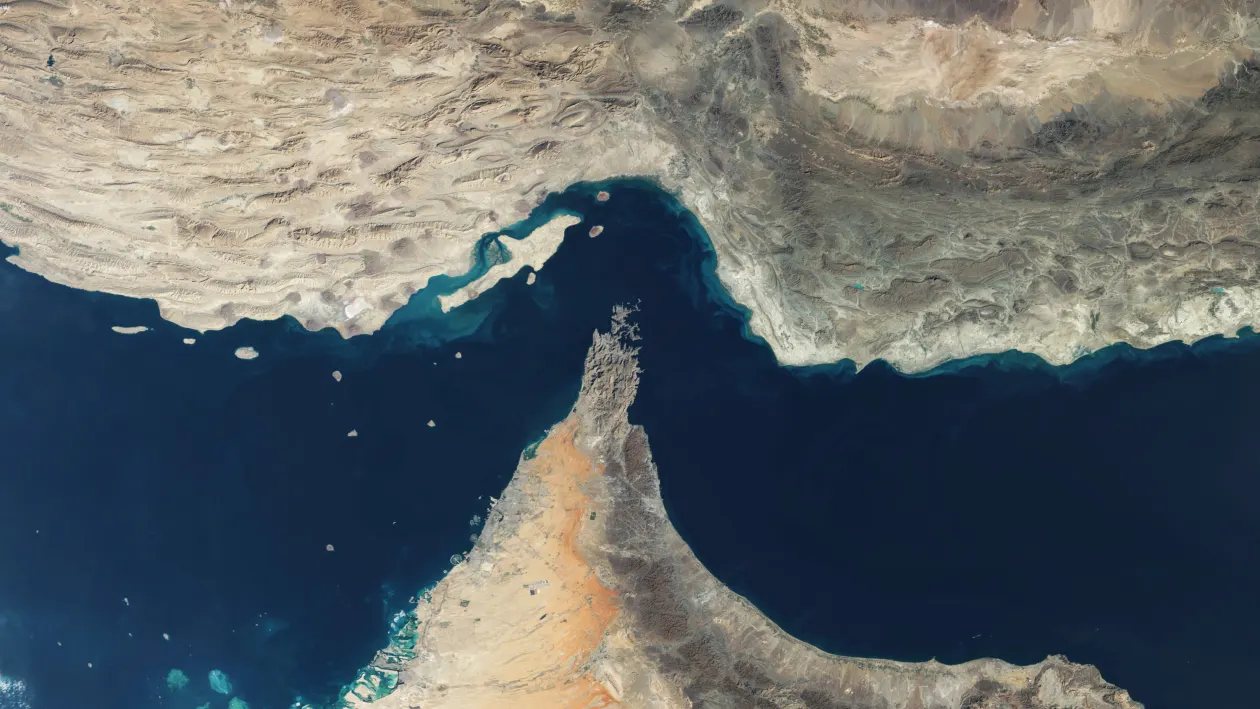
As pressure mounted and fears of a wider regional war grew with threats of escalation that could have engulfed multiple countries, the proposal began gaining traction. The eventual agreement, a two-week ceasefire tied to the reopening of the Strait of Hormuz, reflected several elements of Pakistan’s framework.
Prime Minister Sharif announced that the truce would be followed by talks in Islamabad, inviting both US and Iranian delegations to begin negotiations on April 10. The capital is expected to host either direct or proximity talks, with Pakistan potentially acting as a go-between if face-to-face engagement proves difficult.
Analysts say Pakistan’s success lies in its ability to maintain trust across multiple fronts. Its close ties with regional players such as Saudi Arabia and Turkey, combined with support from China, Iran’s key economic partner, helped build momentum for de-escalation. At the same time, its working relationship with Washington provided crucial leverage at a decisive stage.
Direct risk
Economic considerations also shaped Islamabad’s urgency. With heavy reliance on energy imports passing through the Strait of Hormuz, Pakistan faced direct risks from prolonged disruption including fuel shortages, rising import costs and additional strain on its economy.
Despite the breakthrough, challenges remain. Differences persist over regional security arrangements and the scope of the ceasefire, with conflicting interpretations on whether it extends to areas like Lebanon. The coming days of negotiations will be critical in determining whether the temporary truce can evolve into a lasting settlement.
For now, however, the ceasefire marks a significant diplomatic win for Islamabad, underscoring how sustained, quiet engagement can influence the trajectory of a fast-moving and high-stakes conflict, even as the human and economic costs of the war continue to mount.
GN


