




UAE gold prices jump more than Dh10
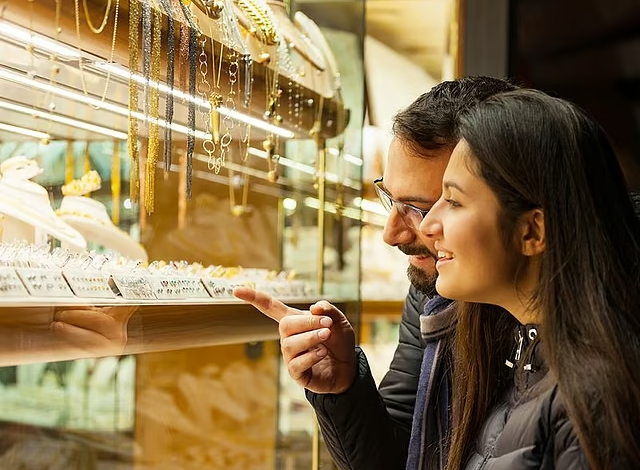

Gold prices in the UAE surged on Monday morning, extending their recent rally and reflecting a sharp global shift toward safe-haven assets following escalating conflict in the Middle East. The 24-karat rate climbed to Dh646.45 per gram at 8.43 am on March 2, up from Dh636 a day earlier, while the 22-karat variety rose to Dh592.58 compared with Dh589 previously. (Check latest UAE gold prices here, alongside prices in Saudi Arabia, Oman, Qatar, Bahrain, Kuwait, and India.)
This move marked one of the strongest single-day gains in recent weeks. It pushed local bullion back toward levels last seen during previous periods of geopolitical stress, signalling a renewed wave of risk aversion among investors and buyers.
Steady climb through February
Gold’s rise did not begin overnight. The market has been building momentum for weeks, driven by a mix of global economic uncertainty, strong central bank demand, and shifting investment flows. Local price trends illustrate how steadily the rally gathered pace.
At the start of February, 24-karat gold traded near Dh564 per gram. Prices moved gradually higher throughout the month, crossing Dh600 by mid-February before accelerating sharply in the final week. By February 27, the rate had already reached Dh629.50, and within days it surged above Dh646.
The pattern shows how gold’s trajectory has been shaped by both long-term structural demand and short-term geopolitical shocks, with the latest escalation acting as a catalyst rather than the sole driver.
War tensions trigger global surge
Global bullion prices jumped sharply in early trading, rising more than 2% before moderating later in the session. Investors responded quickly to heightened risk perceptions, shifting funds away from equities and currencies into gold, which historically performs well during periods of uncertainty.
Energy markets mirrored this reaction. Oil prices surged strongly at the open on Monday, reflecting concerns over potential supply disruptions, particularly around the Strait of Hormuz, one of the world’s most critical energy corridors. The simultaneous rise in oil and gold heightened systemic risk across global markets.
Structural drivers remain intact
Even before the latest conflict, gold had been on a sustained upward trend throughout the year. The metal has gained roughly a quarter so far in 2026, supported by persistent central bank purchases, ongoing diversification away from sovereign bonds, and continued investor demand for inflation protection
GN


